Kovidara
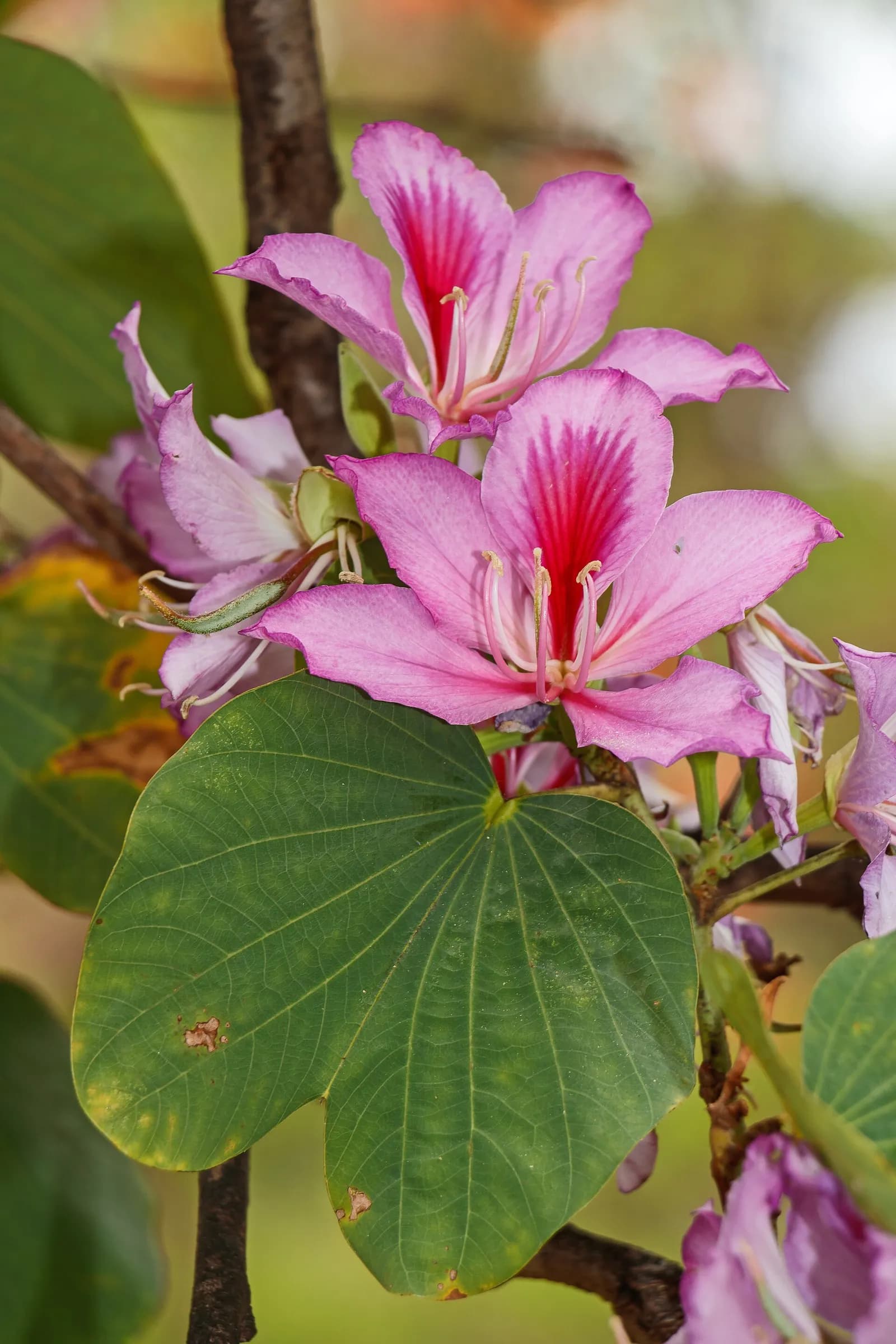
The kovidara, called kachnar in Vraja, breaks into large flowers on bare branches at the end of winter. Its name stands among the trees that the gopis, driven out of their minds by separation, asked for the road to the vanished Krishna. And it sounds almost like kovid, “knowing, learned” – and on this echo Srila Kavikarnapura built his image: the kovidara surely knows where He has gone.
The Tree in Vrindavan
In Vrindavan the kovidara is remembered first of all in the scene of the search for Krishna in the Tenth Canto of the Bhagavatam. Krishna vanished in the midst of the rasa-lila, and the gopis rush through the forest along the Yamuna, asking every living thing about Him. They beg the trees on the bank to say where He has gone, and among those called by name is the kovidara:
cūta-priyāla-panasāsana-kovidāra-
jambv-arka-bilva-bakulāmra-kadamba-nīpāḥ
ye 'nye parārtha-bhavakā yamunopakūlāḥ
śaṁsantu kṛṣṇa-padavīṁ rahitātmanāṁ naḥ
“O chuta, O priyala, O panasa, asana and kovidara, O jambu, O arka, O bilva, bakula and amra, O kadamba and nipa and all you other trees living by the banks of the Yamuna who have dedicated your very existence to the welfare of others – we gopis have lost our minds, so please tell us where Krishna has gone.”
The Learned Tree
The gopis do not expect an answer from every tree. Those that grow in the grove itself are Krishna's household servants: they will keep silent, afraid of betraying their Master. But the trees by the Yamuna, Srila Sanatana Gosvami explains, live in a holy place like silent ascetics. Srila Vishvanatha Chakravarti Thakura adds that they stand so still they seem absorbed in remembrance of Vishnu – such trees will not lie. And the despair of the gopis shows in this, that they call even to the humble arka, a weed of a shrub, if only someone will point the way1.
Explaining this verse, the acharyas also explain what kind of tree the kovidara is. Srila Vishvanatha Chakravarti, Srila Jiva Gosvami and Baladeva Vidyabhushana say it in one and the same phrase: the kovidara is a variety of the kanchanara. Jiva Gosvami adds that it is two-leaved and in the Vindhya country is known as koyilava. And Narayana Bhatta Gosvami brings from the Amarakosha one more name, chamarika, and tells the two trees apart by the leaf: the large-leaved one is called kanchanara2. So the Sanskrit name meets the tree that Vraja today calls kachnar.
And in the name itself there is a play that Srila Kavikarnapura caught. Retelling the same lila in the Ananda-Vrindavana-champu, he puts into the mouths of the gopis an address to the tree: “O kovidara! You are a learned tree, so tell us by which path Krishna has gone?”3
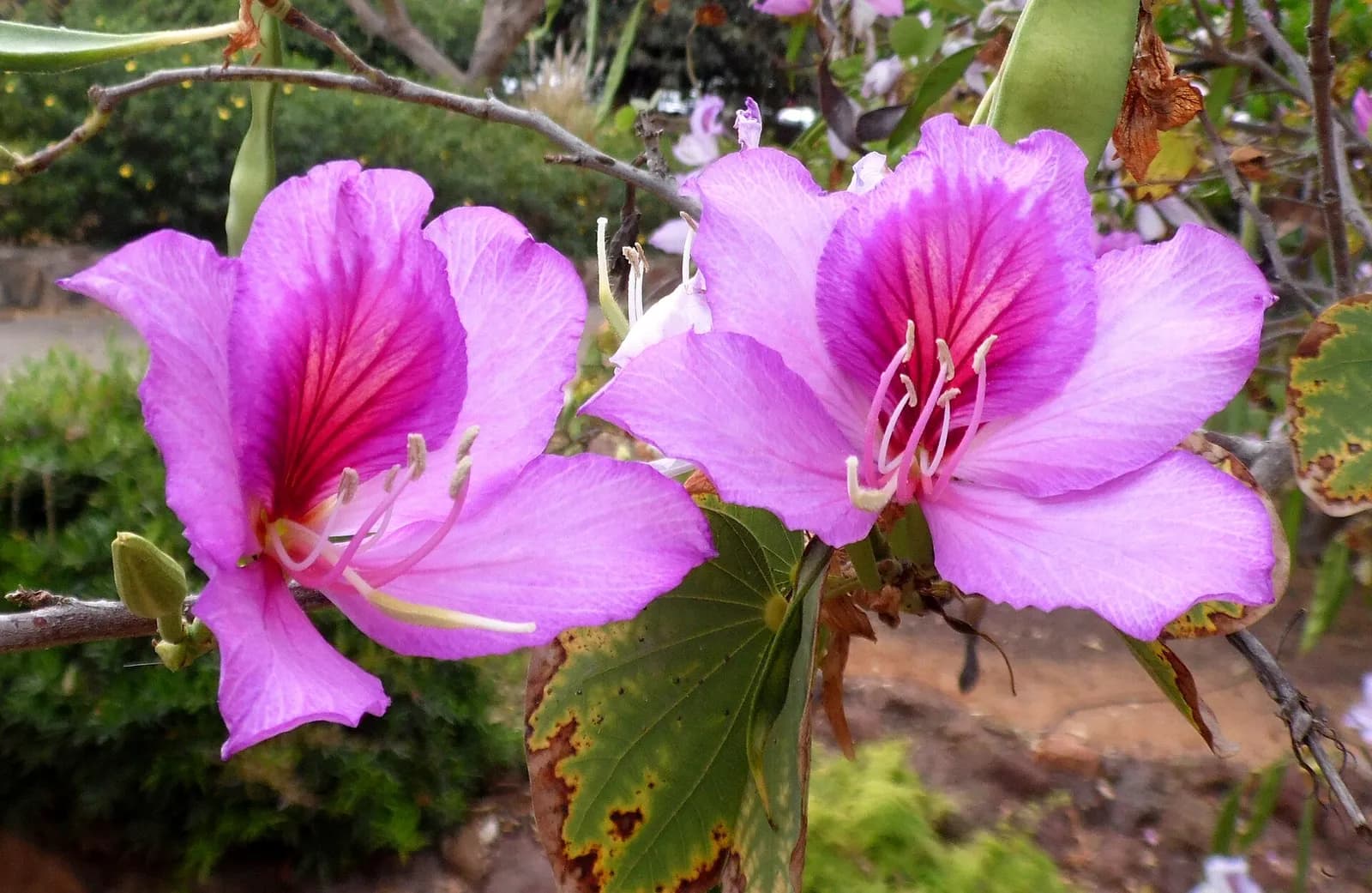
Further on the gopis say that the tree has already given itself away: seeing Krishna, it could not hide its agitation, and its hidden love came out in crimson flowers. The kachnar does indeed bloom in shades of pink and purple, deepening to crimson. This colour Srila Kavikarnapura turns into a confession: the tree blushes – as one in love blushes.
In the Kunjas and at Krishna's Meal
The kovidara grows in the kunjas as well. Srila Krishnadasa Kaviraja Gosvami in the Govinda-lilamrita lists the trees in pairs with the vines that twine about them, like lovers, and sets the kovidara beside the kubja vine:
punnāgāḥ saptalābhir vidhumukhi bakulāḥ sal-lavaṅgāvalībhiḥ
kubjābhiḥ kovidārāḥ sudati rurucire campakāḥ ketakībhiḥ
“...the punnagas with the saptala vines, O moon-faced one, the bakulas with the clove vines, the kovidaras with the kubja vines, the champakas with the ketakis...”
These groves around Radha-kunda are divided into the kunjas of Radha's eight chief friends.
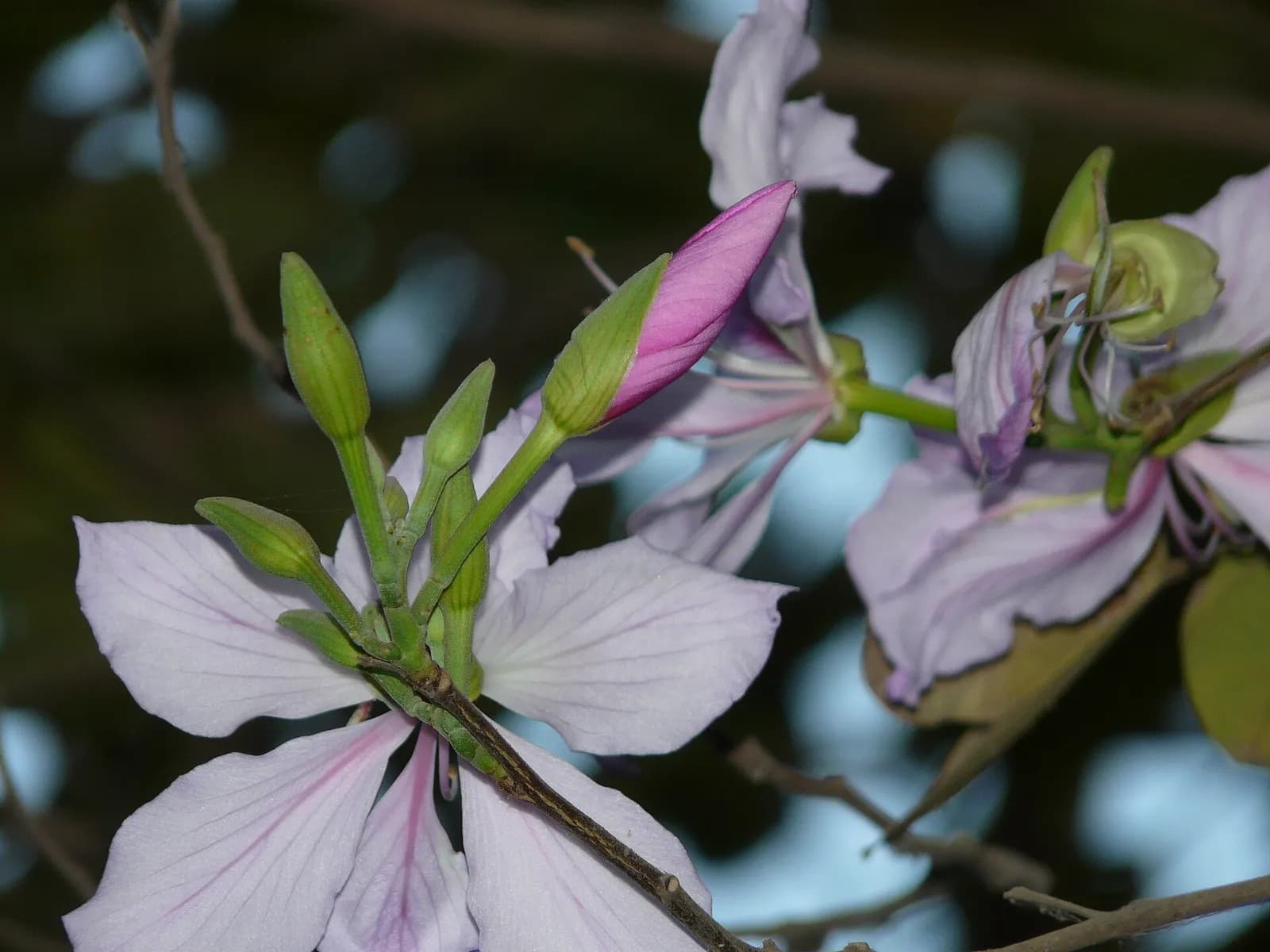
The kachnar goes into food as well. Its flower buds are edible: in northern India they are still made into a dish called kachnar kali. In the Govinda-lilamrita they are served to Krishna too – fried in ghee and moistened with yogurt, among the other flowers He likes4.
Beyond Vraja
Outside the Vrindavan lila the kovidara turns up most often in descriptions of heavenly gardens and sacred mountains. It stands among the trees of Kailasa when the devas climb to Shiva for help5. It grows too in the Ritumat garden on Mount Trikuta – the very one where Gajendra, the elephant king, was gathering lotuses before his fight with the crocodile – beside sandal, kimshuka and grapevine6.
Ayurveda
Ayurveda knows the kachnar under the name kanchanara and values above all its bark. Its taste (rasa) is astringent, its qualities light and dry, its potency (virya) cooling, its post-digestive effect (vipaka) pungent; such a combination pacifies kapha and pitta. Charaka places the tree among the remedies that aid cleansing emesis (vamanopaga), Sushruta among the astringents.
The chief fame of the kanchanara is gandamala-nashana, “dissolving the knots of the glands”: its bark goes into kanchanar guggul for swollen lymph nodes, goitre and diseases of the thyroid. It is taken as well for skin ailments, bleeding and cough – as a decoction or a powder.
Botany
The kovidara is Bauhinia variegata. Its leaf is broad, as wide as a palm, split in two at the tip and set on a heart-shaped base, “like a cow's hoof”; hence the Sanskrit yugma-patraka, “two-leaved”. The flowers range from white and lilac to purple-pink. In India the kachnar is common in the Himalayan foothills and on the northern plains – both as a wild tree and as one planted by houses and temples.
The kovidara has a red-flowered kinswoman as well – Bauhinia purpurea: Sanskrit calls her by the same name kanchanara, Hindi the red kachnar, and her own article stands under the name devakanchana.
Kovidara: flower, pod, tree
Sources
We build Vrajapedia together – with stories, verses, photographs and parikrama experience. If you know something more, tell us and it will appear on this page.


